

Guide to Stocking Your Pond: How Many Fish Is Too Many?
 Understanding how many fish your pond can safely hold is essential for maintaining clear water and healthy fish. Overstocking can quickly lead to poor water quality, so planning your pond stocking capacity before adding fish is highly recommended.
Calculate Pond Volume First
The most important factor is pond size and water volume. As a general guide, small fish such as goldfish need around 45–50 litres of water per fish, while larger species like koi require much more space.
Always plan stocking levels based on the adult size of your fish, not their current size. Fish grow over time, and overcrowding can cause stress and health problems.
If you are unsure about your pond capacity, use our helpful Pond Volume Calculator. Investing in a reliable pond water testing kit and monitoring water quality regularly will help you stay in control of your ecosystem.
Filtration Strength Matters
Your pond filter system plays a huge role in determining stocking levels. Strong biological filtration helps break down ammonia and nitrate produced by fish waste.
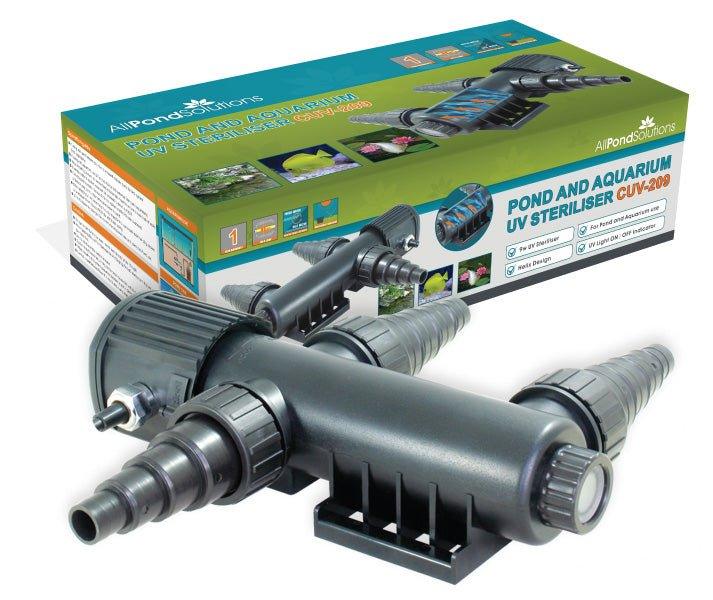
If you plan to keep more fish, consider upgrading your pond filtration system to handle the additional biological load. Many pond keepers choose high-performance filtration units designed for garden ponds and koi systems.
Best Time of Year to Add Fish to Your Pond
The best time of year to add fish to a pond in the UK is during late spring to early summer, typically between April and June, when water temperatures are more stable and fish are becoming active after winter. Warmer water helps reduce stress during the introduction process and allows fish to adjust more easily to their new environment. Early autumn can also be suitable, but it is best to avoid adding fish during very cold winter months or during periods of extreme summer heat.
Consider Fish Species
Different fish species need different amounts of space. Koi carp require larger swimming areas and stronger oxygen circulation than smaller ornamental fish.
Research the specific needs of your chosen species before increasing your stock levels.
Oxygen and Water Circulation
High fish populations increase oxygen demand. Installing pond air pump or ensuring your pond pump provides adequate circulation can help maintain healthy water conditions, especially during warm weather.
Signs Your Pond Is Overstocked
Watch for warning signs such as fish gasping at the surface, cloudy pond water, or filters needing constant cleaning.
If these occur, reduce feeding or consider relocating some fish.
Maintaining the correct balance between pond volume, filtration, and fish numbers will help create a healthy and visually attractive pond environment. Careful planning ensures your fish remain safe, active, and stress-free all year round.