


AllPondSolutions Pond Underlay 2 x 5m 150gsm Non-Woven
Model: APS-PU150-020X050
Expected back in stock in January
This item is currently sold out
Same day despatch before 3pm *
Free tracked 2–3 days · 1–2 days £4 · Next day £6
Earn 109 points on this item · Join free and get 100 bonus points
About the Pond Underlay 2 x 5m 150gsm Non-Woven
AllPondSolutions is proud to offer our own branded pond underlay. This is 150 grams per square metre of 100% virgin non-woven polypropylene, and it is the layer that stands between your liner and whatever is buried underneath it.
This piece is 2 x 5m and covers 10 square metres, which is the size most people reach for first: enough to line a 3 x 3m or 4 x 3m pond on its own, and the piece that combines most usefully with others on larger jobs.
Why underlay matters
A pond liner rarely fails because the material is poor. It fails because something sharp was left underneath it. As the pond fills, the weight of the water presses the liner hard onto whatever is below, and a stone, a root or a fragment of glass will work through it over a season or two.
Underlay is the cushion that stops it. It also lets gas from the soil escape sideways rather than collecting in bubbles beneath the liner.
Check the weight of "free" underlay
Pond liners are often sold with free underlay included. It is usually around 60 g/m2, which is thin enough to tear on the first sharp stone it meets. Ours is 150 g/m2, two and a half times the material, in the place it matters most.
How much do I need?
Allow the same area as your liner plus about 10% for overlapping the pieces. It does not need to be a single sheet: lay pieces side by side, overlapping each by 5 to 10cm, and work outwards from the deepest part of the pond. Do not tape or glue the joins, as the overlap is enough and it lets trapped gas escape.
Laying it
Clear the excavation of every stone, root and sharp edge you can see, then run your hand over the surface to find the ones you cannot. Start at the bottom and work up the sides, carrying the underlay past the rim so the liner never touches bare ground. Lay the liner on top, then trim both back together once the pond has filled and settled.
Use it on top as well
If you are adding gravel, cobbles or rock, or building a stream, lay a second layer over the liner first. Sharp stone dropped onto a bare liner is one of the most common causes of a leak.
- Size: 2 x 5m, covering 10 square metres
- 150 g/m2 non-woven polypropylene
- 100% virgin fibre
- Rot resistant and permeable, so gas and groundwater can escape
- Inert and safe for fish and plants
- Overlap pieces to cover a pond of any size or shape
- Required for the guarantee on AllPondSolutions HDPE pond liners
Which liner or underlay do I need?
Our best sellers first
 You're viewing
150gsm underlay
Non-woven polypropylene that cushions the liner from stones and roots and lets soil gas escape.
from £21.99
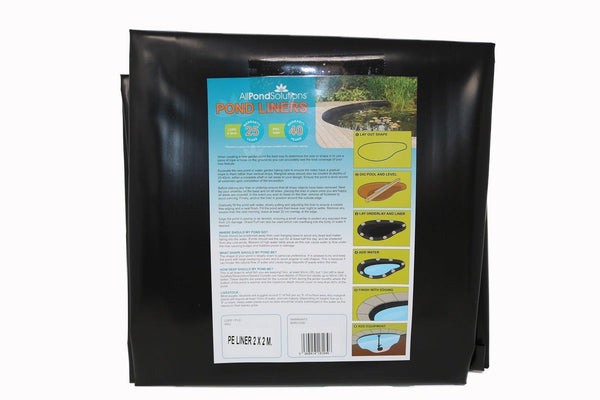
LDPE liner
0.3mm liner, easy to cut down once in position. 25-year warranty when fitted with pond underlay.
from £7.99
View LDPE liner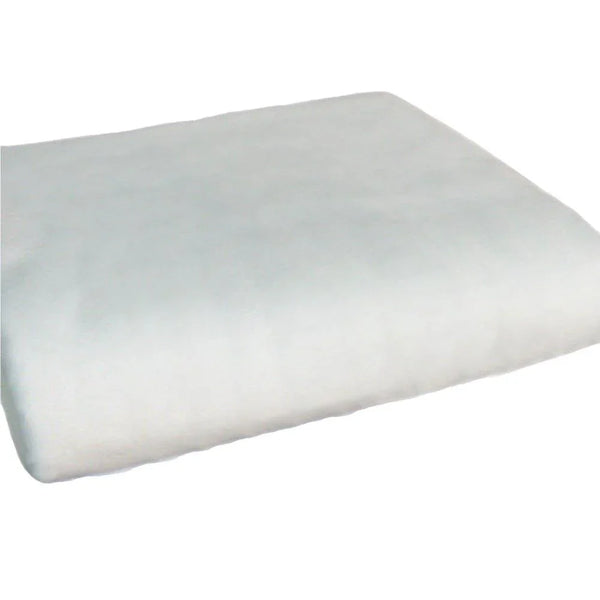
Thick underlay
Heavyweight 2–3mm underlay with tear and puncture resistance. 5 x 2m.
from £34.99
View Thick underlay New
HDPE liner
Heavy-duty 300gsm HDPE, 100% virgin polyethylene with a carbon black UV stabiliser. 40-year warranty when fitted with pond underlay.
from £8.99
View HDPE linerDelivery & returns
Order before 3pm Monday–Friday for same-day despatch. Pallet items: UK mainland 3–5 days FREE, kerbside delivery. Full delivery & returns policy